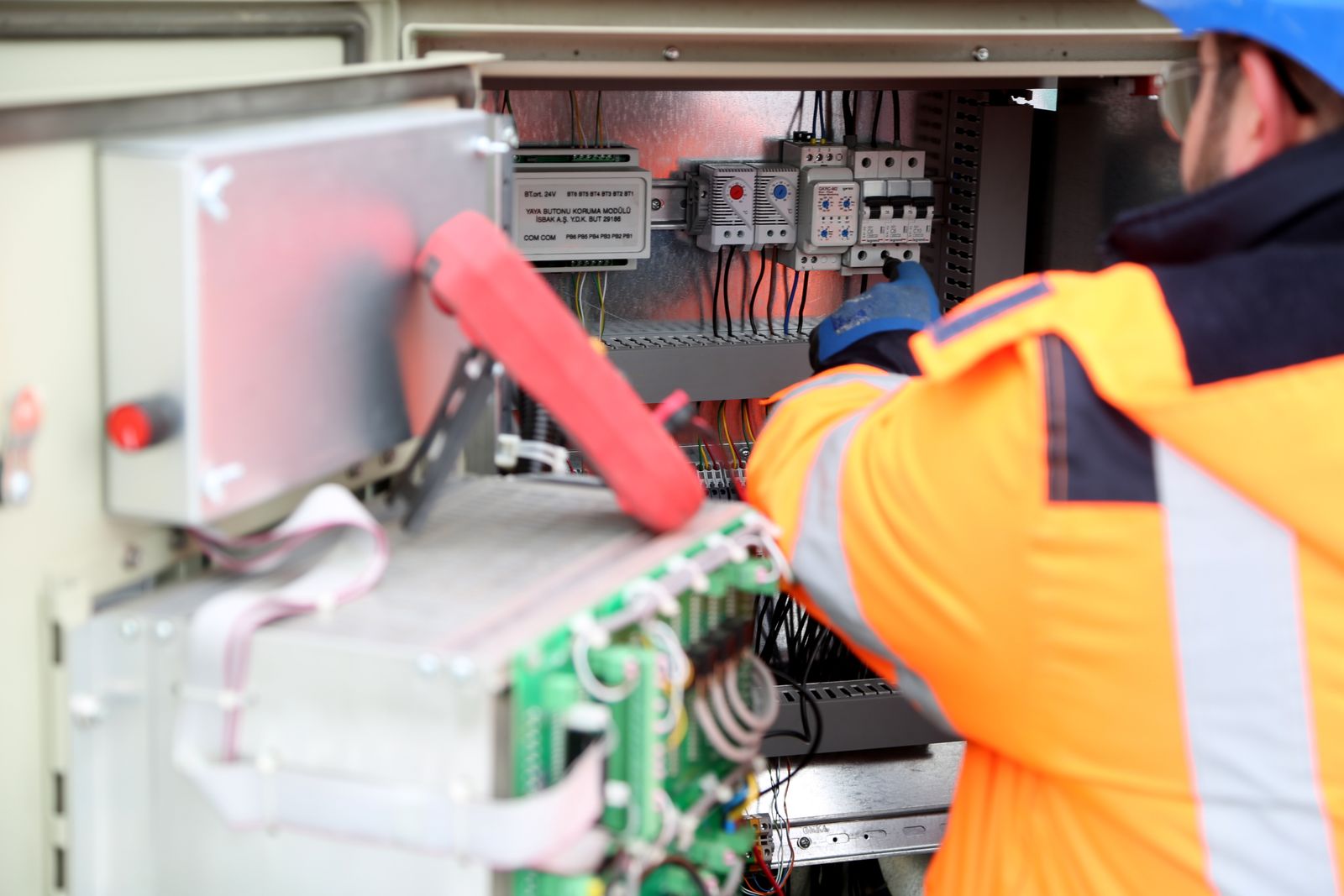
Lockout Tagout (LOTO) protects workers when machinery is being inspected, maintained, cleaned or repaired. Switching equipment off at the local push-button is not necessarily a safe isolation. Hazardous energy may remain in electrical circuits, hydraulic accumulators, pressurised lines, gravity-loaded parts, springs or rotating equipment.
Why is LOTO necessary?
A machine can start unexpectedly when an automated signal is received, another person presses a control or stored energy is released. Effective isolation identifies every relevant energy source and prevents unplanned energisation. General employer duties under Malaysia’s Occupational Safety and Health Act 1994 include safe systems of work and appropriate information, training and supervision.
Understand all energy sources
- Electrical: Main supply, backup circuits, capacitors and multiple feeds.
- Mechanical: Rotating parts, springs and suspended components.
- Hydraulic and pneumatic: Pressurised fluids, hoses and actuators.
- Thermal: Hot surfaces, steam and residual heat.
- Process: Pressurised or hazardous materials and connected transfer lines.
Seven practical isolation steps
- Plan: Identify equipment, scope, isolation points, exposed people and relevant permits.
- Notify: Tell affected workers and confirm the equipment can be stopped safely.
- Shut down: Follow the approved sequence for normal stopping.
- Isolate: Use the specified isolation devices, not just a control switch.
- Secure: Apply personal locks and tags according to the authorised site procedure.
- Release and verify: Control stored energy and prove a zero-energy state using safe, appropriate tests.
- Restore: Account for people and tools, check guarding, remove locks under authorised rules and communicate return to service.
Verification is the critical step
A lock and tag tell people an isolation is intended; they do not prove it is effective. For electrical equipment, verification may require suitably competent personnel and appropriate instruments. For pressure systems, it may mean verifying depressurisation and ensuring that pressure cannot re-accumulate. Always use approved site instructions.
Common LOTO failures
Typical problems include an incomplete isolation boundary, shared keys, unrecognised stored energy, unclear group lock arrangements and return-to-service pressure. Another failure is assuming a contractor understands the host company’s isolation method without an interface briefing.
Group isolation and shift handover
When multiple people or teams work on the same plant, a group lockbox and formal handover may be required by the employer’s approved system. Every exposed person needs protection throughout the work. Removal of another person’s lock requires a tightly controlled exception process—not informal permission.
Training should use the real equipment
An effective exercise asks employees to identify energy points, explain their isolation boundary, demonstrate verification and describe their responsibilities during transfer of work. The learning objective is competence in the site’s system, not memorising the letters LOTO.
Explore Permit to Work and LOTO training, or request a workplace-based workshop.
References
Malaysia DOSH and Occupational Safety and Health Act 1994 (Act 514), including general duties and risk assessment. Refer to the applicable machine-specific rules and authorised isolation procedure; this checklist is not itself a statutory LOTO sequence.
Leave a Reply