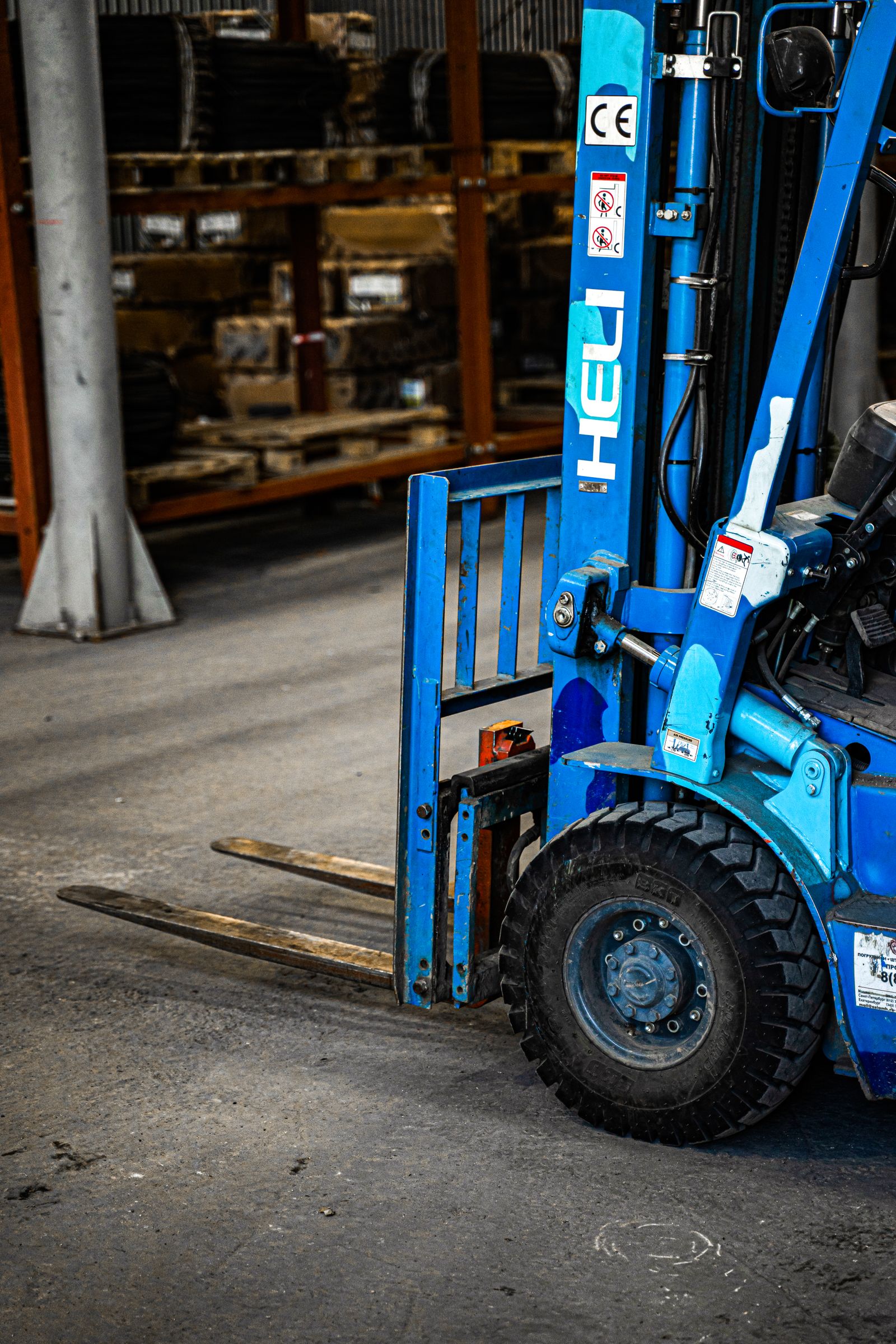
Malaysian employers frequently ask whether forklift training must last five days or whether a certificate alone makes a person legally competent. The safer approach is to separate statutory duties, the workplace’s equipment risks and evidence of operator competence.
Is five-day forklift training mandatory?
There is no universal five-day forklift course duration prescribed for every forklift operator under Malaysia’s general Occupational Safety and Health Act 1994. A client, industry or specific regulatory scheme may set additional conditions. Course duration should be appropriate to prior experience, truck type, site hazards and assessment requirements—not chosen solely for certificate appearance.
What must an employer ensure?
The employer’s general duties under Section 15 of Act 514 include, so far as practicable, suitable information, instruction, training and supervision. Section 18B requires assessment of safety and health risks and implementation of necessary controls. For a forklift operation, this means assessing the machine, load, travel routes, pedestrians, ramps, charging or refuelling, maintenance and visibility.
Training versus authorisation
A training certificate documents participation or an assessment outcome; it does not by itself authorise operation at every workplace. The employer should verify practical performance on the relevant truck type, record any restrictions, and issue site-specific authorisation under its procedures.
Suggested practical competence checks
- Pre-use inspection, defect reporting and isolation of unsafe equipment.
- Safe mounting, travel, turning, parking and load stability.
- Operating within the rated capacity and attachment limitations.
- Managing pedestrian interface, blind corners and reversing.
- Responding to an abnormal condition and following the approved emergency procedure.
Can a forklift drive on a public road in Malaysia?
Workplace forklift competence is not automatically permission to operate on a public road. Public-road use raises separate Road Transport Act 1987 and JPJ questions about vehicle classification, registration or exemptions, insurance, operator licensing and roadworthiness. Do not assume that a normal car licence or forklift course alone establishes compliance. Confirm the exact machine and proposed journey with JPJ and your insurer before the forklift enters a public road.
How to reduce forklift incidents
Separate pedestrians from truck movement using physical barriers and controlled crossings wherever practicable. Keep aisles clear, manage reversing visibility and set site-appropriate speed and load rules. Review near misses and verify controls during operational inspections.
Frequently asked questions
Can an inexperienced employee attend a one-day course?
An awareness session may fit one day, but an inexperienced operator could need substantial practical training and supervised development before a defensible competence assessment. Match training depth to skill and risk.
Is a refresher course always required annually?
Do not confuse company refresher schedules with a universal statutory expiry period. Plan reassessment after incidents, equipment changes, unsafe performance, lengthy inactivity or other significant changes; follow specific applicable rules and client requirements.
Forklift training enquiry
Aswad Aziz provides forklift safety programmes with practical workplace relevance and assessment scope agreed in the approved course outline. Request a corporate programme.
Official reference
Act 514, Sections 15 and 18B. For public-road questions refer to Jabatan Pengangkutan Jalan (JPJ) and current road transport requirements.
Leave a Reply